
Therapy & Assistance Dog Training
Introduction
Dogs play an extraordinary role in human wellbeing, whether they are offering comfort to people in schools and care homes, or providing practical, life-changing support to individuals with disabilities. Although both Therapy Dogs and Assistance Dogs require excellent training, calm behaviour, and stable temperaments, their roles — and the expectations placed upon them — are very different.
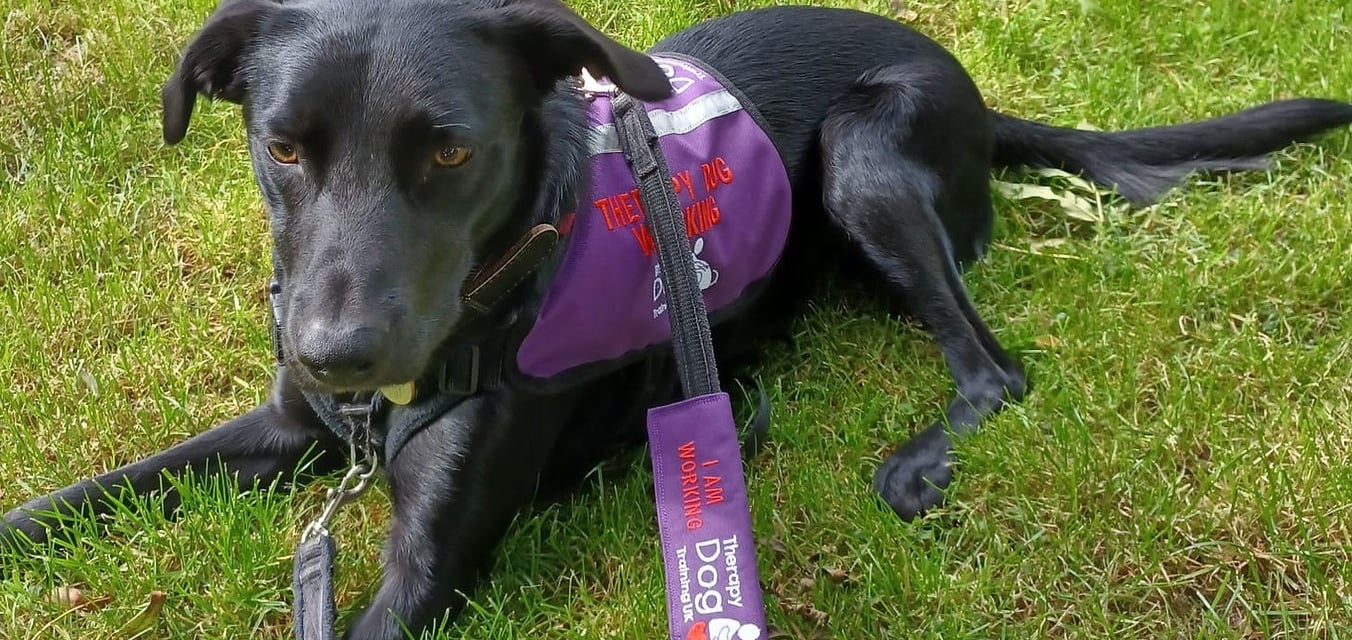
Therapy Dogs are visiting dogs whose purpose is to bring emotional support, companionship, and positive interaction to others. They may work in care homes, hospitals, hospices, schools, SEN environments, or community settings. Their presence can help reduce anxiety, increase motivation, improve emotional regulation, and create moments of joy and connection. Therapy Dogs do not have automatic legal public-access rights; they may only enter environments where they have been invited and where appropriate risk assessments or organisational policies allow it.
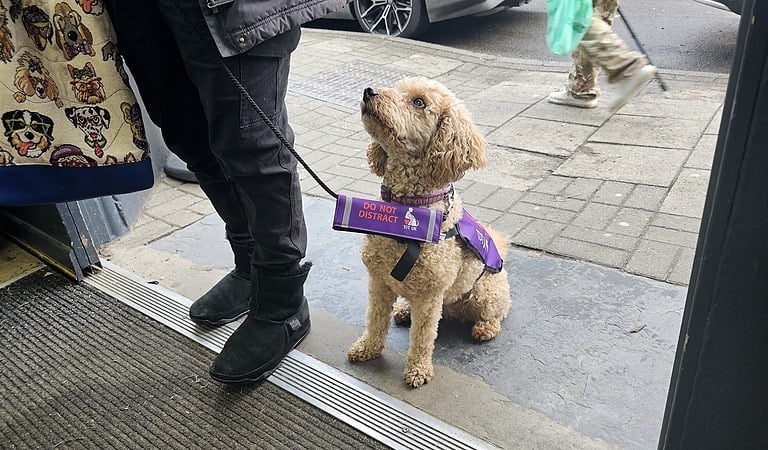
Assistance Dogs, by contrast, are trained to support one individual with a diagnosed disability or long-term health condition. They may perform specific tasks such as mobility assistance, medical alert or response, autism support, or interrupting behaviours linked to mental health needs. Because they enable a disabled handler to access daily life safely and independently, fully trained Assistance Dogs can qualify for legal public-access rights under UK equality law. These rights allow them to accompany their handler into shops, workplaces, transport, hospitality venues, and other public environments — provided the dog is trained to the required standard of behaviour, welfare, and control.
Understanding the difference between these two roles is essential for anyone considering this path with their dog. Therapy Dogs change lives through comfort and connection. Assistance Dogs change lives through practical support and independence. Both require patience, commitment, ethical training, and a dog who genuinely enjoys the work.
About Therapy Dog Training UK (TDT UK)
Therapy Dog Training UK (TDT UK) was created to provide a clear, ethical, and accessible pathway for owners who want their dogs to support others through therapy work or to help them personally as assistance dogs. The organisation began with a simple goal: to raise standards, improve welfare, and give both handlers and dogs the knowledge they need to work safely, confidently, and responsibly in real-world environments.
TDT UK has grown into a trusted national provider, offering structured online learning, clear training criteria, and a network of approved assessors and trainers across the UK. Their approach is force-free, welfare-led, and based on modern, reward-based methods. They aim to ensure that every dog working in a therapy or assistance role is not only well trained, but also happy, suitable, and supported throughout their working life.
TDT UK offers a range of CPD-accredited online courses designed to teach owners the theory, safety requirements, behaviour expectations, and practical skills needed for both therapy-dog visiting roles and assistance-dog foundations. Their courses include video demonstrations, step-by-step training tutorials, safety guidance, task work, and knowledge checks to ensure owners understand each stage of their dog’s development.
Whether someone is training a wellbeing dog for a school or preparing an assistance dog to support a disability, TDT UK’s courses provide the educational backbone: covering legislation, welfare protocols, behaviour standards, safeguarding considerations, and the foundations of responsible working-dog training.
Their structured learning pathway ensures all owners start with the same high-quality information, creating consistent standards across the UK and helping dogs enter these roles safely, ethically, and confidently.
Trusted Assessors & My Role in the TDT UK Pathway
TDT UK works with a nationwide network of Trusted Assessors to ensure dogs are evaluated consistently, ethically, and to a high professional standard. These assessors are experienced trainers who understand canine behaviour, welfare, and the unique demands placed on both therapy dogs and assistance dogs. As part of this network, I provide assessments and hands-on support for owners across the West Midlands, South Staffordshire, and the Worcestershire borders area.
Once an owner has completed the required TDT UK online course, they are referred to a Trusted Assessor for their dog’s practical evaluations. This is where I come in. I carry out:
Temperament Assessments – confirming your dog’s natural suitability for therapy or assistance work
Behaviour Assessments – evaluating the trained skills demonstrated in the TDT UK course videos
Public Access Assessments – for assistance dogs who are ready to be tested for work in public environments
Each assessment follows TDT UK’s welfare-first, force-free standards, ensuring that every dog is confident, well prepared, and comfortable with the work they are being asked to do.
In addition to assessments, I also offer 1-to-1 training sessions for owners who would like extra guidance & face to face support. These sessions are designed to complement the online course materials, helping you build the behaviours and skills required at a pace that suits both you and your dog. Whether your dog needs help with calmness, confidence, public-environment training, task development, or general obedience, this tailored support can make a huge difference to your training journey.
It’s important to note that all assessments are arranged only once the TDT UK course has been completed, and referrals come directly through their system. However, you are welcome to work with me for 1-to-1 training at any stage, including before, during, or after the course. Many owners choose to begin practical training early so they feel confident heading into their assessments.
As a Trusted Assessor for the region, my goal is to ensure every dog is assessed fairly and kindly, every owner feels supported, and every team has the best possible foundation for safe and successful therapy or assistance work.

How the Training & Assessment Process Works
Training a Therapy Dog or Assistance Dog is a rewarding journey, and the steps are designed to make sure every dog is well prepared, confident, and working safely. Here is a simple overview of how the pathway works from start to finish:
1️⃣ Complete the TDT UK Online Course
All owners begin with the TDT UK online training programme, which teaches the foundation skills, behaviours, safety protocols, and task work required for both roles.
2️⃣ Be Referred to a Trusted Assessor
Once the course is complete, TDT UK refers you to an approved assessor for your practical evaluations.
3️⃣ Temperament Assessment
Your dog’s natural suitability, sociability, and emotional stability are assessed in a calm, supportive environment.
4️⃣ Behaviour Assessment
If your dog passes the temperament stage and you are local to me, I carry out the behaviour assessment. This includes all skills demonstrated in the TDT UK course training videos.
5️⃣ Optional 1:1 Training Support
If you would like extra help building confidence, polishing behaviours, or preparing for assessment, you can work with me at any stage.
6️⃣ Certification Through TDT UK
Once your assessments are complete, TDT UK finalises your certification for therapy or assistance work.
Is My Dog Suitable for Therapy or Assistance Work?
Every dog is an individual, and suitability is based on temperament as much as training. A suitable dog is one who:
Is friendly, calm, and enjoys interacting with people
Recovers quickly from mild surprises (noise, movement, new environments)
Is comfortable being handled gently by different people
Shows no signs of reactivity, aggression, or excessive fear
Is happy working alongside their handler
Can settle calmly in stimulating environments
Has a stable, predictable temperament
For assistance roles — shows willingness to learn tasks and maintain focus
Dogs must beat least 18 months old for official assessments - younger dogs can have a pre temperament assessment, but will need the full assessment once they are 18 months old.
Younger dogs are welcome for early 1:1 training foundations.
If you’re unsure whether your dog may be suitable, a pre-assessment or introductory 1:1 session can help clarify their strengths and any areas that may need development.
Handler Responsibilities
Whether your dog is working in a therapy or assistance role, handlers play an important part in ensuring safety, welfare, and professionalism. Handlers are expected to:
Maintain their dog’s training, welfare, and wellbeing
Use only force-free, ethical training methods
Keep their dog healthy, vaccinated, and groomed
Ensure environments are safe and appropriate for visits
Follow any policies or safeguarding procedures required by organisations
Continue practising skills shown in the TDT UK course
For assistance dogs — maintain training to public-access standards
Great working-dog teams are built on strong bonds, mutual trust, and ongoing learning for both dog and handler.
Our Training Approach: Force-Free, Welfare-Led, Kind
Your dog’s welfare, confidence, and happiness come first. I follow a completely force-free, science-based approach that focuses on:
Reward-based learning
Building confidence rather than suppressing behaviour
Encouraging calmness and self-regulation
Setting dogs up for success in real-life environments
Supporting emotional wellbeing as well as behaviour
Every dog learns differently, and their training is adapted to their needs to help them thrive in whichever role they are preparing for.
Frequently asked questions
What age can my dog start training?
Your dog must be 18 months or older to take the official TDT UK temperament and behaviour assessments. Younger dogs can begin early foundation training at any time.
Does my dog need to be a certain breed?
No. Suitability is based on temperament, confidence, sociability, and trainability — not breed.
Can a rescue dog become a therapy or assistance dog?
Yes, absolutely — as long as they are emotionally stable, friendly, and not reactive or fearful. Many rescue dogs excel in therapeutic roles.
Do therapy dogs have public-access rights?
No. Therapy Dogs work only in invited settings, such as schools or care homes. They do not have automatic legal access to public spaces.
Do assistance dogs have public-access rights?
Yes — once fully trained and passed through the necessary assessment criteria. Public-access rights apply only to dogs supporting a disabled handler and who meet specific training and behaviour standards.
Can I work with you before completing the TDT Uk course?
Yes. You can book 1:1 training with me at any point.
However, all formal assessments can only take place after completing the TDT UK course and being referred through their system.
How long does training take?
This varies by dog, role, and experience. Some dogs progress quickly, while others benefit from extra support over time.
Can I work with you before completing the TDT Uk course?
Yes. You can book 1:1 training with me at any point.
However, all formal assessments can only take place after completing the TDT UK course and being referred through their system.
Ready to Begin Your Journey?
Whether you’re preparing a Therapy Dog or developing the foundations for an Assistance Dog, I’m here to support you at every step.
Contact me for more information or head to Therapy dog training UK
Contact
Questions? Reach out anytime, we're here.
Phone
07928 412653
© 2025. All rights reserved.